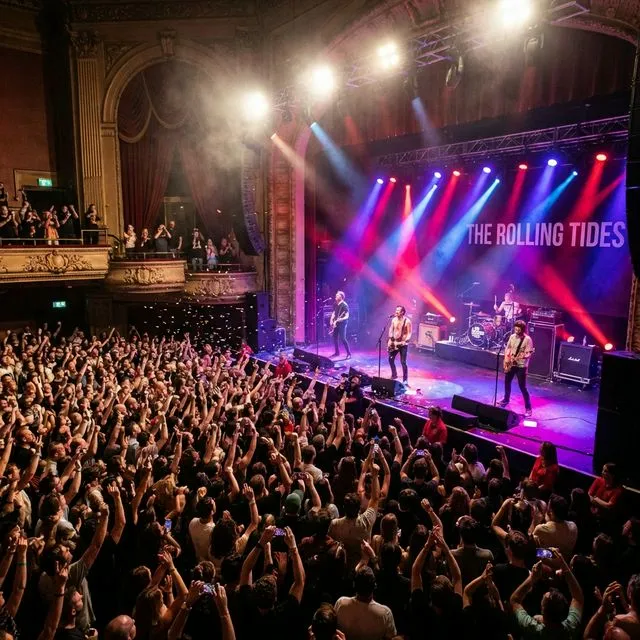
Getting More Gigs: How to Promote Your Band Effectively
Talent alone does not fill your calendar. Learn practical strategies for marketing your band, building relationships with venues, and turning one-off gigs into regular bookings.
The Best Band Nobody Knows About
You have a tight band. Your setlist is solid. Your performances are polished. But your calendar has more empty weekends than gigs.
This is the reality for countless talented bands, and the reason is almost never the music. It is the marketing. Venues do not book the best band — they book the band that makes it easiest to say yes.
Build Your Online Presence First
Before you reach out to a single venue, make sure your online presence is professional and up to date.
What You Need
- A website or landing page with your bio, photos, song list, and contact info
- Social media profiles (at minimum, Instagram and Facebook) with recent content
- Video — at least two or three live performance clips that show the band at its best
- Audio — recordings or links that demonstrate your sound
A venue booker who receives your pitch will immediately search for you online. If they find nothing, or find a dormant Facebook page with blurry photos from 2019, you have already lost the gig.
Quality Over Quantity
You do not need a professional photo shoot or a studio-recorded demo to get started. A well-shot phone video of a strong live performance is more convincing than a polished studio track, because venues are booking a live act, not a recording artist.
That said, invest in quality when you can. Good photos and video pay for themselves many times over in bookings.
Approaching Venues
Do Your Research
Before you contact a venue, go there as a customer. Watch other bands play. Understand the room, the crowd, the vibe. Does your band fit? If you are a high-energy rock band, the quiet wine bar is not your market.
Make It Easy to Say Yes
Your pitch to a venue should include:
- A brief description of your band (genre, energy, audience demographic)
- Links to video and audio
- Your availability
- Any relevant social proof (other venues you play, audience draw, reviews)
- A professional, friendly tone
Do not send a five-paragraph essay about your musical journey. Venue bookers are busy. Give them what they need to make a decision quickly.
Follow Up (Once)
If you do not hear back in a week, send one polite follow-up. After that, move on. Pestering venues does not get you booked — it gets you blacklisted.
Turn One Gig into Many
Crush the First Show
Your first gig at a venue is an audition. Play your best material, be professional, be easy to work with, and bring people. Venue owners notice bands that draw a crowd.
Build a Relationship
After the gig, thank the venue. Ask for feedback. Express interest in coming back. Over time, these relationships become your most reliable source of bookings.
Ask for Referrals
Venue owners talk to each other. If you do a great job, ask if they can recommend you to other rooms. This is how many bands build their circuit.
Leverage Your Network
Other Bands
Build relationships with bands in your scene. Recommend each other for gigs. Sub for each other when scheduling conflicts arise. A strong network of band-to-band connections is one of the most effective booking tools available.
Social Media as a Booking Tool
Post regularly about your gigs — before, during, and after. Tag the venue. Share crowd photos and short video clips. This shows other venues that you are active, draw people, and create content they can share on their own pages.
Mailing List
Start collecting email addresses from fans. A monthly email about upcoming shows is a direct line to people who have already seen you and enjoyed it. This audience is your most reliable draw.
Be Professional
This is the part many bands overlook:
- Respond to messages promptly.
- Show up on time. (Early, actually.)
- Be easy to work with. Sound engineers, venue staff, and other bands all talk.
- Deliver what you promise. If you said two 45-minute sets, play two 45-minute sets.
- Handle payment conversations clearly and professionally.
Professionalism is a competitive advantage. In a field where many bands are unreliable, simply being dependable sets you apart.
The Long Game
Building a full gig calendar takes time. Most successful gigging bands spent months or years building their circuit through consistent quality, professionalism, and relationship-building. There are no shortcuts, but the formula is straightforward:
Be good. Be professional. Be visible. Follow up.
Do those four things consistently and the gigs will come.
Gig-Friend Team
The Gig-Friend team is dedicated to helping gig economy workers take control of their finances, optimize their workflow, and build sustainable freelance careers.
Related articles
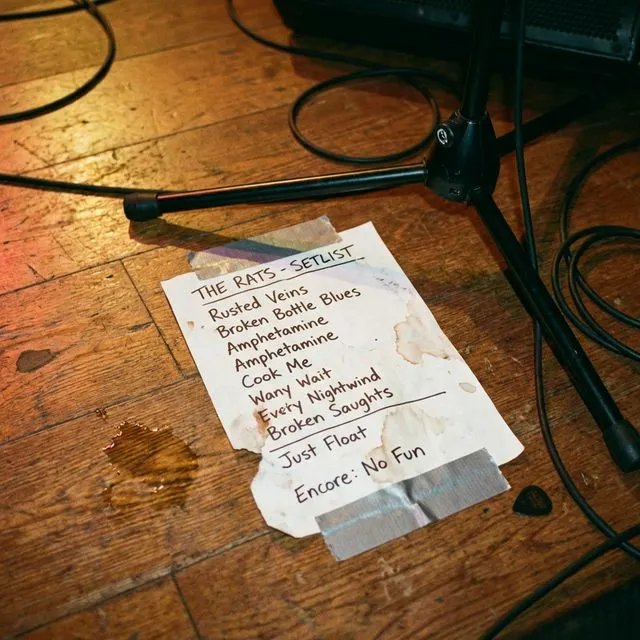
Building the Perfect Setlist: A Guide for Gigging Bands
A great setlist is more than a list of songs. Learn the principles of energy flow, pacing, and audience psychology that separate forgettable sets from unforgettable ones.
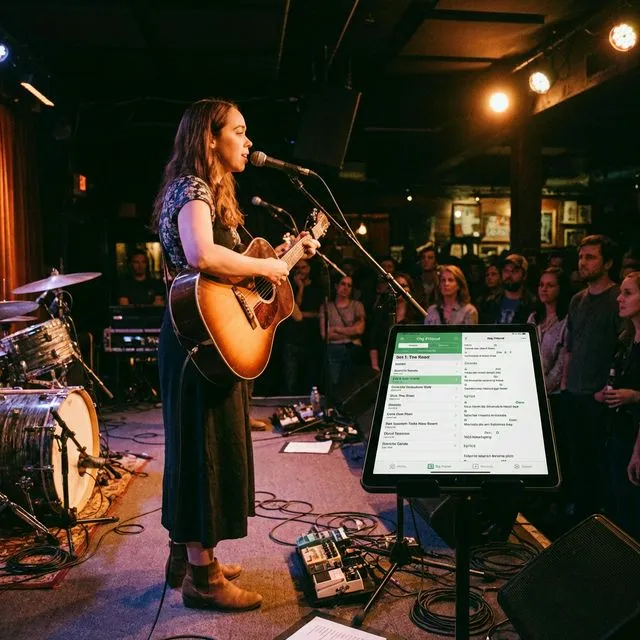
From Rehearsal to Stage: How Gig Friend Fits Your Workflow
See how Gig Friend connects every step of a gigging musician's workflow — from learning new songs and running rehearsals to building setlists and performing live.
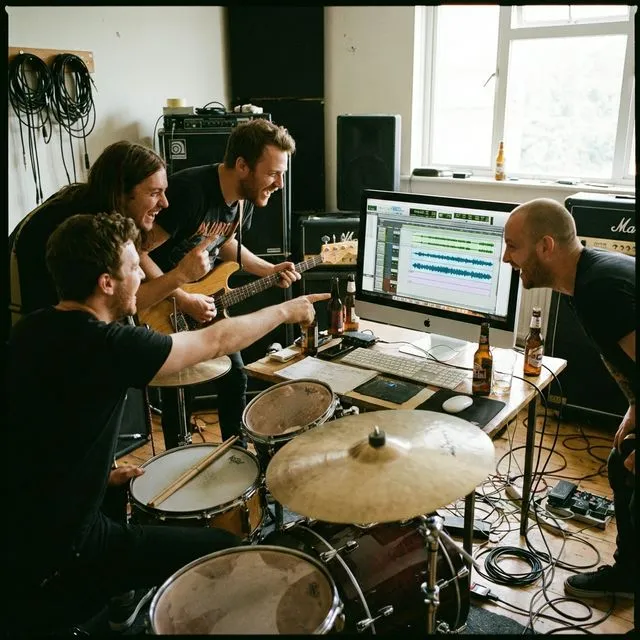
Why Every Cover Band Needs a Shared Song Library
Scattered notes, forgotten arrangements, and different versions of the same song. Here is why a centralized, shared song library solves the most common cover band headaches.