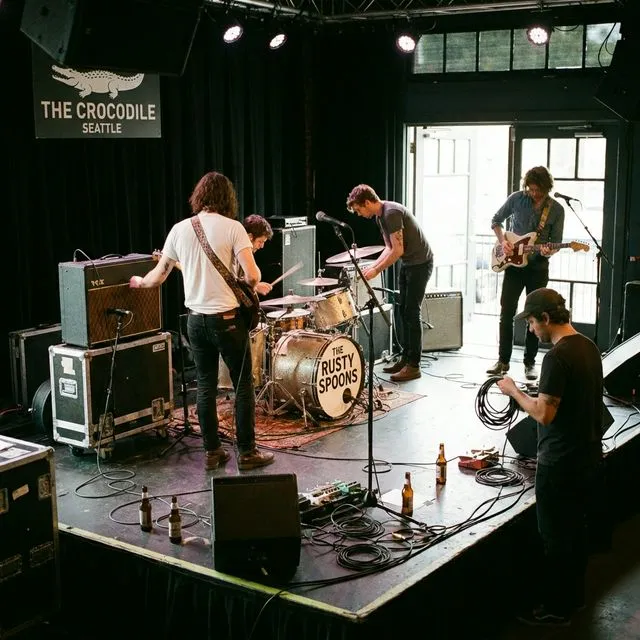
The Ultimate Gig Day Checklist for Performing Musicians
Never show up to a gig unprepared again. This comprehensive checklist covers gear, logistics, setlist prep, and everything in between so your show runs smoothly.
Preparation Is the Difference
Ask any gigging musician what separates a great show from a disaster, and the answer is rarely about talent. It is about preparation.
Forgotten cables, dead batteries, wrong setlists, missing contact info for the venue — these are the things that turn a good gig into a stressful one. A reliable checklist eliminates the guesswork and lets you focus on the music.
One Week Before the Gig
Confirm the Details
- Venue name and full address
- Load-in time and set time (these are different!)
- Set length and number of sets
- Contact name and phone number at the venue
- Parking instructions and load-in access
- Are there backline items provided? (drums, amps, PA)
Finalize Your Setlist
- Choose songs that fit the set length (build in a few extra in case you need to adjust)
- Arrange songs for energy flow: start strong, build through the set, end with a bang
- Confirm the setlist with all band members
- Share the setlist digitally so everyone has access from their phone on stage
Check Your Gear
- Test every piece of equipment you plan to bring
- Replace old strings, drum heads, or reeds if needed
- Charge all rechargeable batteries and buy spares for anything that takes disposables
- Confirm you have all necessary cables, adapters, and power strips
The Day Before
- Load your vehicle with gear if possible — this reduces morning stress
- Lay out your stage clothes
- Download or cache your setlist and any reference materials offline
- Set two alarms for the morning
Gig Day Morning
- Eat a solid meal — you may not have time later
- Hydrate
- Double check you have your phone charger and any personal essentials (medications, ear protection, etc.)
Before You Leave
The Gear Bag Essentials
- [ ] Instrument(s)
- [ ] Amp / DI box
- [ ] Pedalboard (if applicable)
- [ ] Cables: instrument, patch, XLR, speaker
- [ ] Spare cables (at least one of each type)
- [ ] Power strip and extension cord
- [ ] Tuner (clip-on as backup even if you have a pedal tuner)
- [ ] Spare strings / sticks / picks
- [ ] Batteries (9V, AA)
- [ ] Gaffer tape and a Sharpie
- [ ] Setlist (printed and on your phone)
- [ ] Ear protection (custom molds or foam plugs)
- [ ] Music stand and stand light (if needed)
- [ ] Merch (if applicable)
- [ ] Water bottle
At the Venue
During Load-In
- Introduce yourself to the sound engineer — they are your best friend for the night
- Ask where the band can set up and where the power outlets are
- Set up your gear and do a basic sound check before the full band check
- Confirm set times and break durations
Before You Go On
- Tune everything
- Check your signal chain end to end
- Review the setlist one more time
- Put your phone on silent (or Do Not Disturb if using it for lyrics or setlists on stage)
- Take a breath
After the Set
- Thank the sound engineer and venue staff
- Settle payment or confirm when you will be paid
- Pack up your gear carefully — tired musicians lose cables
- Take a photo of the stage or the crowd for your band’s social media
- Note anything that went wrong so you can fix it next time
Make It a Habit
The best gigging musicians do not rely on memory. They rely on systems. Keep your checklist somewhere accessible — printed in your gig bag, saved on your phone, or pinned in your band’s shared app — and run through it every single time. The gig that goes perfectly is the one you prepared for.
Gig-Friend Team
The Gig-Friend team is dedicated to helping gig economy workers take control of their finances, optimize their workflow, and build sustainable freelance careers.
Related articles
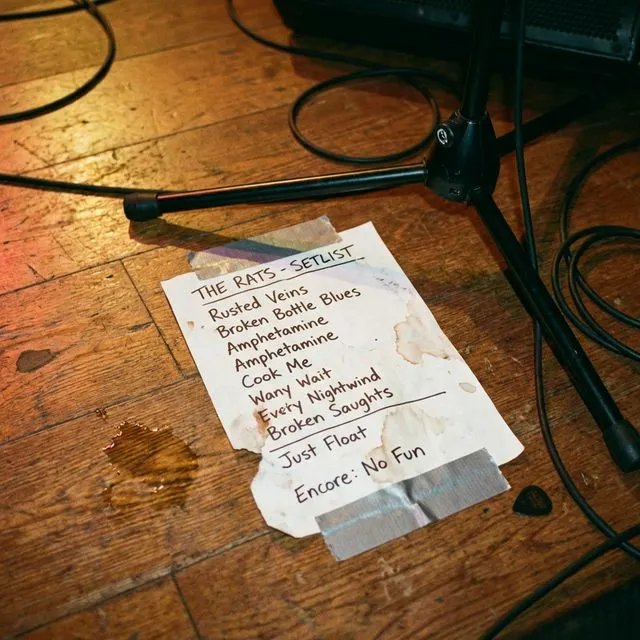
Building the Perfect Setlist: A Guide for Gigging Bands
A great setlist is more than a list of songs. Learn the principles of energy flow, pacing, and audience psychology that separate forgettable sets from unforgettable ones.

Creating a Setlist with Song Duration for a Tight Set
When the venue gives you a strict time slot, you need to create a setlist of songs with accurate durations. Learn how to calculate total set time, account for transitions, and build buffer into every performance.

How a Setlist Helper App Can Save Your Next Gig
A good setlist helper app does more than list songs in order. It stores your repertoire, shares with your band, displays on stage, and keeps everyone on the same page. Here's what to look for and why it matters.